Small Size, Big Results: Why a 10 Yard Dumpster Is the Smart Choice in Missouri
A 10 yard dumpster delivers serious hauling power without taking over your property. For homeowners tackling a weekend cleanout, contractors refreshing a bathroom, or roofers removing a single layer of shingles, this compact roll-off is often the most cost-effective and efficient size. It’s easy to place on driveways throughout Missouri’s neighborhoods, fits tight job sites, and handles a wide variety of debris types—from household clutter to dense materials—while keeping disposal simple, fast, and compliant with local rules.
What Fits in a 10 Yard Dumpster—and When It’s the Right Call
Capacity is the headline strength of the 10 yard dumpster: roughly 10 cubic yards of space. That equates to about four pickup truck loads, making it a perfect “small-but-mighty” option for projects that generate more waste than a curbside bin can handle but don’t require a massive container. Typical exterior dimensions vary by provider, but you’ll usually see something around 10–12 feet long, 7–8 feet wide, and 3–4 feet tall. Those low walls are more than a convenience—they allow easy loading by hand, a dolly, or a wheelbarrow, which speeds up work and reduces strain.
Where does this size shine? Start with residential cleanouts. A 10 yard roll-off is a sweet spot for decluttering a garage, attic, or basement; clearing out light furniture, toys, and boxes; and throwing away damaged items after a minor leak or storm. For remodeling, think bathrooms, small kitchens, and closet reconfigurations. Old vanity tops, tile, drywall, trim, and cabinet boxes add up quickly, and a 10 yard container keeps demolition debris contained so the work area stays safe and efficient.
Roofing teams often prefer a compact container for one- to two-room tear-offs or a small single-layer job. Depending on shingle type and underlayment, a 10 yard unit can be a fit for many modest roofs—just remember that weight adds up quickly with asphalt. For landscaping and yard work, this size handles branches, shrubs, and light yard waste beautifully. If the plan includes soil, sod, brick, or concrete, a 10 yard is usually the safest choice due to weight limits and loading height; always confirm local weight allowances and any special restrictions on heavy debris. In construction and trade work, it’s great for punch-list cleanups, trim-out scraps, and containment during short, focused phases. In short, when you need enough space to keep momentum without overpaying for empty air, a 10 yard dumpster is often the right call.
Pricing, Delivery Windows, and Permit Rules Across Missouri
Budgeting for a dumpster rental in Missouri is straightforward when you understand how pricing typically works. Most providers offer flat-rate packages that bundle delivery, a standard rental period, pickup, and a disposal allowance measured by weight. If you surpass the included tonnage, add restricted items, or keep the container longer than scheduled, you’ll see overage, contamination, or extension fees. The simplest way to save is to pick the right size, load it efficiently, and communicate timing clearly so the container is on-site only as long as you need it.
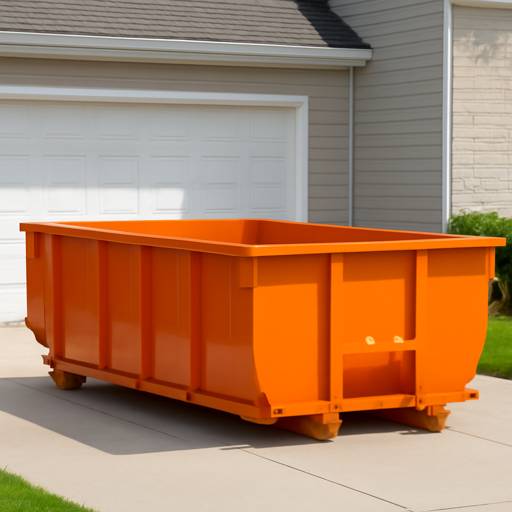
Delivery windows are typically set in half-day or full-day blocks. In neighborhoods from St. Louis to Kansas City—and across Springfield, Columbia, and Jefferson City—narrow alleys, hills, and busy streets can affect timing. Prepare the site by moving vehicles, trimming low branches, and marking a flat, accessible drop spot. If the dumpster will sit on a driveway, consider placing plywood or boards where the wheels land to help protect the surface. Most roll-off trucks need about 60 feet of clearance in front of the placement area and adequate overhead space free of wires or tree limbs.
Permitting is a key consideration. In many Missouri cities, placing a container on a public right-of-way—such as a street, alley, or sidewalk—may require a municipal permit. This is common in denser parts of St. Louis and Kansas City. If the 10 yard dumpster sits fully on private property, like a driveway, a permit usually isn’t necessary, but homeowners associations may have rules about placement, screening, or rental periods. It pays to check with your city or HOA a few days before scheduling delivery. Finally, know the do’s and don’ts: hazardous materials, liquids, certain electronics, and appliances with refrigerants are commonly prohibited. Keep debris level with the top rail for safe hauling, distribute weight evenly (heavier items on the bottom), and avoid mixing soil, concrete, or brick with general household waste where local rules require separation. These steps help prevent overages, delays, and reloading hassles.
Real-World Missouri Use Cases + Pro Tips to Maximize Capacity
Consider a few on-the-ground scenarios. In a South City St. Louis bungalow, a weekend basement cleanout produces a mountain of cardboard, old shelving, holiday decor, and three outdated bookcases. A 10 yard dumpster handles the job in one go, and low walls make it easy to pass items up from the bulkhead stairs. Up in Kansas City’s Midtown, a small kitchen refresh—cabinet swap, backsplash removal, and new flooring—fills a 10 yard neatly when materials are broken down and nested. Meanwhile, a Springfield roofer tackling a smaller single-layer tear-off uses a 10 yard placed curbside to speed shingles from the roof via chutes. In Columbia, a windstorm scatters branches and fence panels; a 10 yard container staged at the curb keeps the street clear and the cleanup fast. These are the kinds of projects where a compact roll-off shines: tight footprints, focused debris, and quick turnaround.
To get maximum value from any roll-off dumpster, think like a packer. Break down bulky items—remove table legs, flatten boxes, and nest drawers into cabinets. Load heavy materials first to stabilize the base and reduce shifting, then fill cavities with smaller debris. Stack flat, then build upward so weight is evenly distributed; avoid “mounding” above the top rail, which can lead to extra fees or unsafe transport. If you’re removing tile, drywall, or siding, cut sections to manageable lengths. Keep prohibited materials out, and stage questionable items aside for separate disposal. Timing matters, too: schedule delivery to coincide with demolition day so debris goes straight in, and aim for pickup soon after to reclaim driveway space.
Local know-how goes a long way. In neighborhoods with tight driveways, ask the dispatcher for placement tips and confirm left- or right-side loading space near garages or fences. If rain is in the forecast, cover the container with a tarp when you finish for the day—waterlogged debris is heavier and can trigger overage fees. For heavy debris like concrete or brick, verify material-specific rules; a 10 yard container is often recommended for such loads precisely because it limits overfilling and keeps total weight within legal transport limits. If you’re weighing sizes or comparing options across the state, review Missouri service details for a 10 yard dumpster to match your timeline, material, and placement needs.

Tokyo native living in Buenos Aires to tango by night and translate tech by day. Izumi’s posts swing from blockchain audits to matcha-ceremony philosophy. She sketches manga panels for fun, speaks four languages, and believes curiosity makes the best passport stamp.